Hello, ArtonLabs Colleagues. If a few years ago artificial intelligence still sounded like laboratory discussion material, now it has entered meeting rooms, email inboxes, and even the apps you open every morning. Generative AI—the branch of artificial intelligence capable of producing text, images, code, and audio—has shifted from a surprise to a daily tool. This article discusses how this technology actually works, where it is truly useful, and what limitations you must be aware of before handing over part of your work to it.
To make it easier to follow, here is an overview of the content we will discuss:
- How Generative AI Actually Works
- From Prompt to Truly Useful Results
- Where the Benefits Are Most Felt
- Limitations That Are Often Overlooked
- Healthy Habits in Using AI
How Generative AI Actually Works
The heart of modern generative AI is the Transformer architecture. Models are trained on billions of examples of text, images, or code, then learn highly complex statistical patterns about how elements follow one another. When you type a prompt, the model does not actually “search for an answer” in a database. It predicts the most likely next element, step by step, until a complete and readable output is formed.
As a consequence, the results are probabilistic. Two similar prompts can produce different answers, and output quality depends heavily on the context you provide. Understanding this nature is important: generative AI is not a truth machine, but an extraordinarily sophisticated pattern machine. It excels at composing, summarizing, and translating forms—not at guaranteeing facts.
From Prompt to Truly Useful Results
Many people are disappointed because they assume AI can simply be given one short sentence. In fact, the best output is born from clear context. State the role you want, the end goal, the output format, and the constraints that must be followed.
- Provide one short example of the result you expect.
- Ask the model to explain its assumptions before executing a large task.
- Break complex work into small steps that you can check one by one.
- Set the tone and length of the output, for example “concise, formal, maximum 150 words”.
This gradual approach turns AI from an unpredictable black box into a coworker that can be directed.
Where the Benefits Are Most Felt
Currently, the most tangible value of generative AI appears in text- and idea-heavy work, not in decisions that demand high accuracy without supervision.
- Drafting and editing. From emails, meeting summaries, to technical documentation drafts.
- Programming assistance. Explaining code snippets, suggesting tests, or translating logic between languages.
- Initial research. Summarizing long documents and mapping questions that need further investigation.
- Idea exploration. Generating many alternative frameworks before the team chooses a direction.
- Customer service. Answering repetitive questions quickly, as long as the answers are still verified.
Limitations That Are Often Overlooked
Enthusiasm for AI sometimes makes us forget its fragile side. Models can produce information that sounds convincing but is wrong—a phenomenon often called hallucination. Models also inherit bias from their training data, and their knowledge can lag behind recent events.
Equally important is the issue of data. Pasting internal documents, customer data, or confidential code into public services can potentially violate organizational privacy policies. Therefore, first understand where your data is processed and whether the provider uses your input for training.
Healthy Habits in Using AI
For AI to truly add value without causing problems, these simple habits are very helpful:
- Verify before publication. Treat AI output as a draft, not a final result.
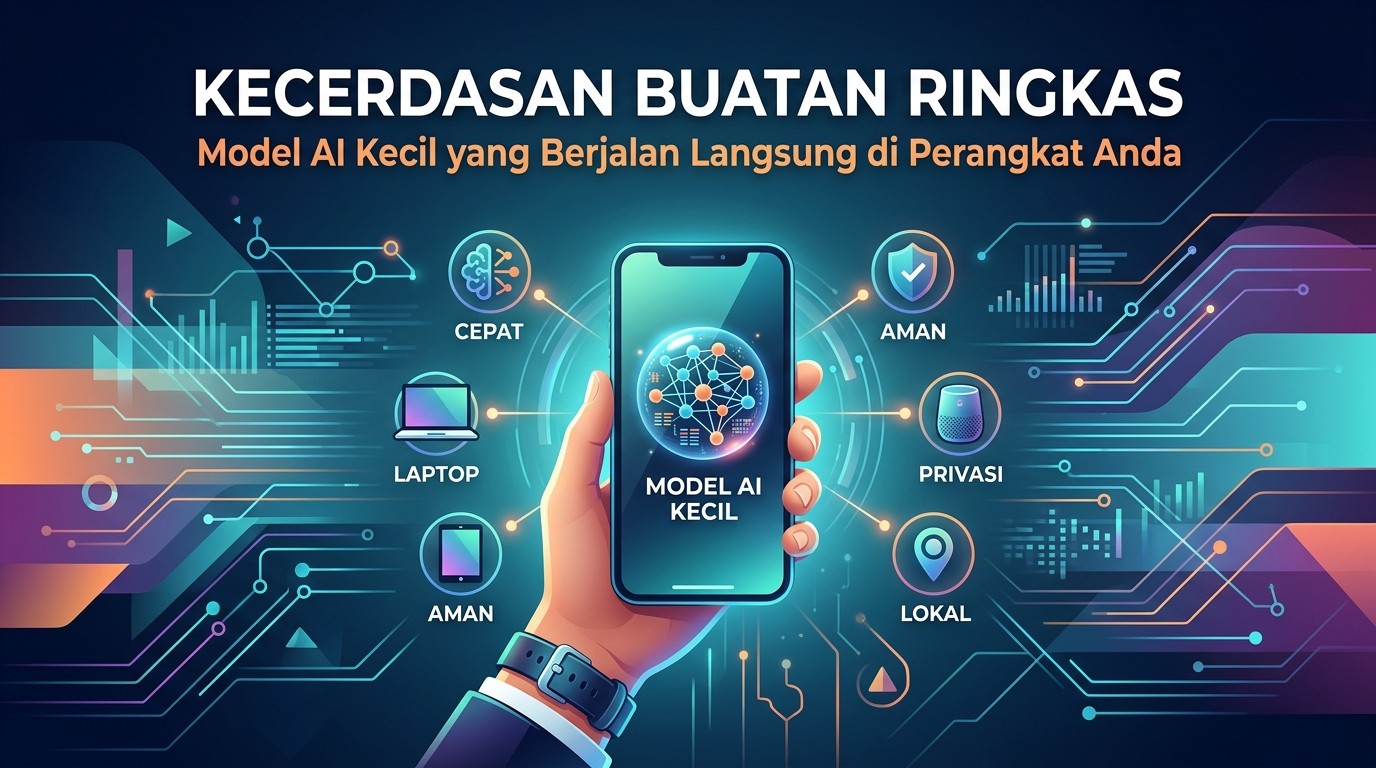
- Maintain data confidentiality. Use local models or private environments for sensitive material.
- Document usage. Record when and for what AI is used, especially on team projects.
- Preserve human judgment. The final decision remains yours, not the model's.
With this pattern, AI acts as an accelerator while remaining under your control.
ArtonLabs Colleagues, thank you for taking the time to read this far. We hope this review helps you use artificial intelligence more consciously and productively. If you have questions about this topic or would like to discuss further, do not hesitate to contact us through the contact page—we would love to hear your experience.