ArtonLabs colleagues, if you want to understand AI beyond just news headlines, this article tries to explain it in down-to-earth language.
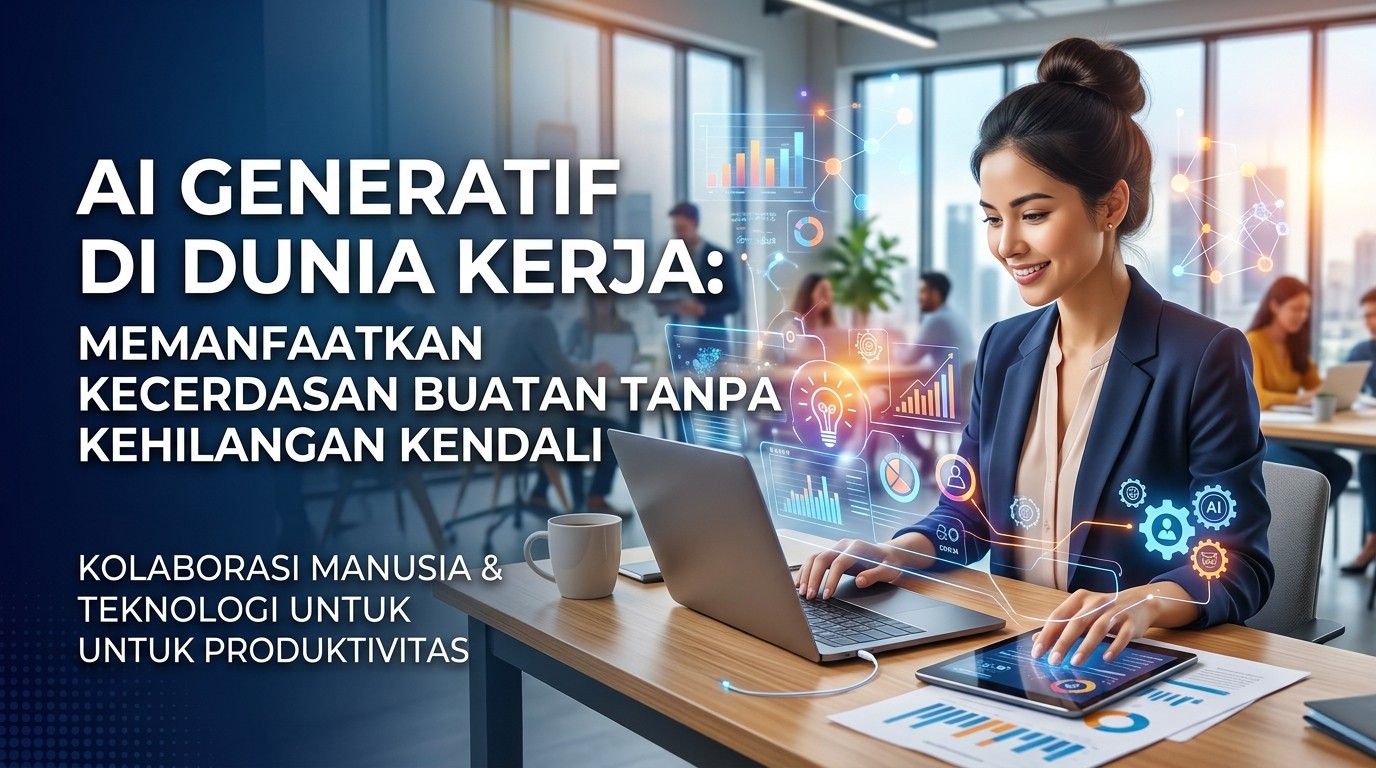
Conversations about artificial intelligence are no longer about whether AI will change our lives, but rather how quickly and to what extent it will change them. We used to know AI as simple virtual assistants or recommendation systems on streaming platforms. Now, the landscape has completely changed. Generative AI models can write program code, create high-quality illustrations, and even devise business strategies. Meanwhile, autonomous AI agents are starting to take over complex tasks that previously could only be done by humans. This article will thoroughly examine the latest developments in AI, how it works, and how you can take advantage of it.
Table of Contents
- AI Development in Recent Years
- How Do Generative AI Models Work?
- The Phenomenon of Autonomous AI Agents
- The Impact of AI on the World of Work
- Tips for Making Optimal Use of AI
AI Development in Recent Years
AI development in recent years has been truly astonishing. From initially only being able to recognize images or translate simple text, AI can now hold conversations that are nearly indistinguishable from humans. Large language models like GPT-4 and Claude can understand complex contexts, write essays, and even help debug complicated code. On the other hand, image generation models like Midjourney and DALL-E have fundamentally changed the creative industry. Graphic designers, illustrators, and photographers now have to adapt to the presence of AI tools that can produce stunning visuals in just seconds. Even in science, AI is used to accelerate drug discovery and predict protein structures — something that previously took years.
How Do Generative AI Models Work?
Simply put, generative AI models work by learning patterns from massive amounts of data. Imagine you give millions of books, articles, images, and program code to a system. The system then learns to recognize patterns, language structures, and relationships between concepts. When you give a command or question, the model uses its knowledge to predict the most appropriate response. This process involves a transformer architecture that allows the model to pay attention to context from left to right and vice versa. What makes it special is its ability to generate something new — not just copying existing data, but creating original combinations based on learned patterns. This is what distinguishes generative AI from traditional AI systems that can only classify or predict based on existing data.
The Phenomenon of Autonomous AI Agents
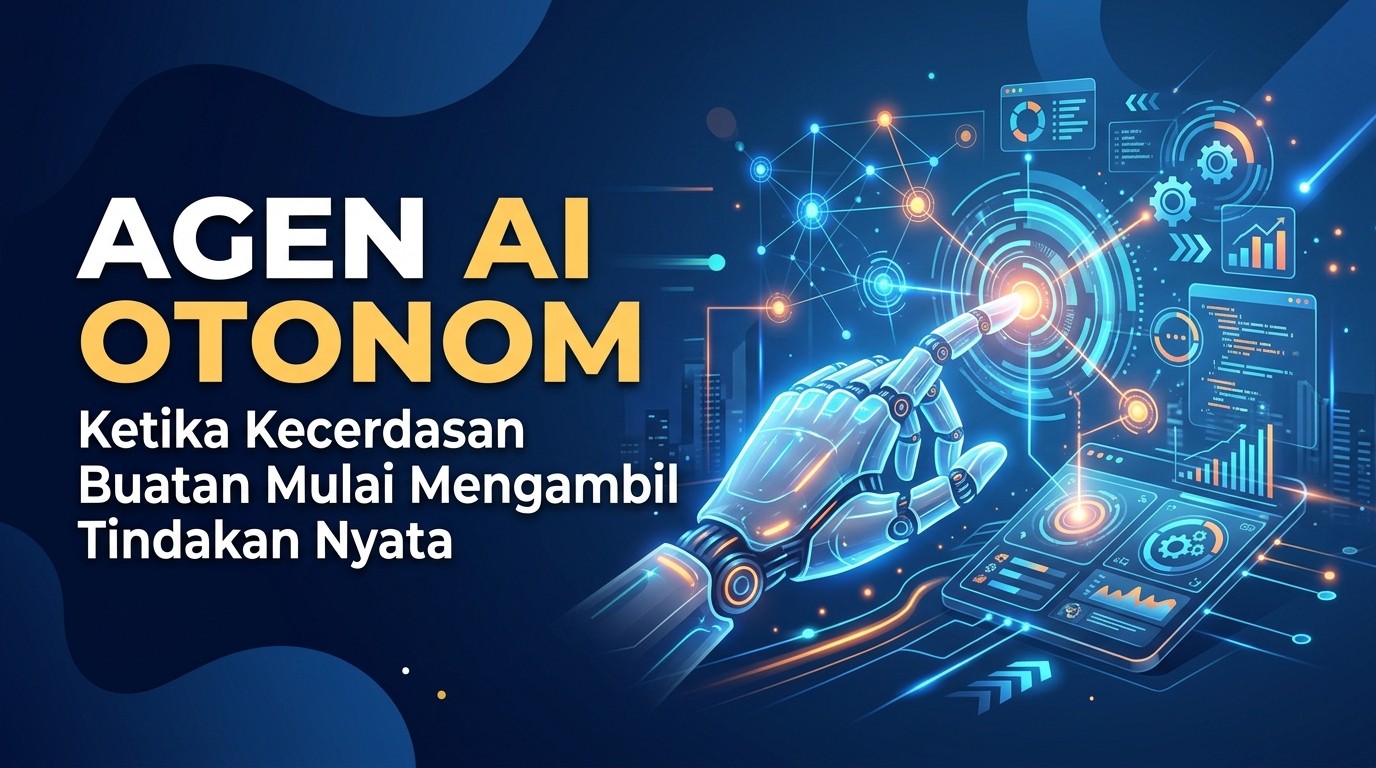
The most interesting trend right now is the emergence of autonomous AI agents. Unlike chatbots that only respond to commands, AI agents can plan, execute, and evaluate tasks independently. For example, you could give the instruction "find the cheapest flight to Tokyo next month, book a hotel, and create a travel itinerary" — and the AI agent will carry it out step by step without needing your constant intervention. These agents can use various tools, access databases, and even collaborate with other AI agents to complete larger tasks. Several major technology companies have already integrated AI agents into their products, enabling automation of work that previously required a small team. Imagine the impact on business operational efficiency — administrative tasks that take hours can be completed in minutes.
The Impact of AI on the World of Work
It cannot be denied that the presence of AI brings a major impact on the world of work. Some jobs are indeed threatened with displacement, especially those that are repetitive and rule-based. But on the other hand, new opportunities are also emerging that were previously unimaginable. Professions such as prompt engineer, AI ethicist, and model fine-tuning specialist have become highly sought-after careers. Interestingly, AI can actually become a tool to increase the productivity of creative professionals and workers. A programmer who uses an AI coding assistant can complete tasks twice as fast. A writer who uses AI for research and brainstorming can produce quality content in a shorter time. The key lies in humans' ability to adapt and learn to use AI as a work partner, not as a threat. Wise companies will invest time and resources to train their employees so they can make optimal use of AI.
Tips for Making Optimal Use of AI
To get maximum benefit from AI, there are several things to keep in mind. First, understand AI's strengths and limitations. AI is excellent at processing data and recognizing patterns, but it does not have true consciousness or understanding. Always verify AI output, especially for critical matters. Second, master the art of giving instructions or prompts. The more specific and clear your instructions, the better the results AI will provide. Third, make AI an assistant that strengthens your abilities, not a replacement. Use AI for research, brainstorming, and time-consuming tasks, so you can focus on things that require creativity and human judgment. Fourth, keep following developments because this technology moves very quickly. What is newest today may already be outdated in a few months. With the right attitude, AI is not a competitor — but rather the most powerful tool we have ever had to increase productivity and creativity.
That's all for now, ArtonLabs colleagues. We'd love to hear your thoughts; write to us via the contact page.